Munish: A Playful Calligraphic Font for Memorable Branding
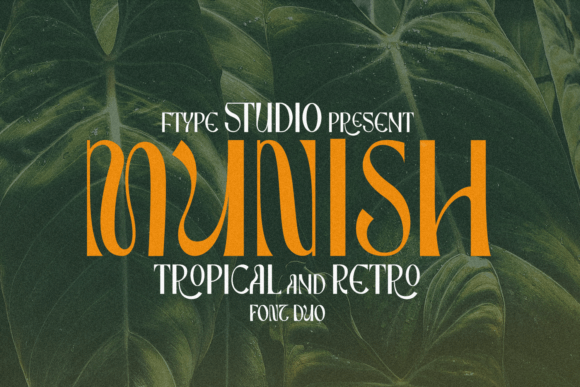
When you run a small business, every visual detail counts. The font you choose for your logo, packaging, or social media graphics says something about who you are before a single word is read. Munish is one of those rare display fonts that brings personality, warmth, and a touch of old-world charm to modern branding. It has a playful, exotic calligraphic style that feels both nostalgic and fresh—perfect for business owners who want their materials to stand out without feeling overly formal or stiff.
Think of Munish as the typographic equivalent of a handwritten invitation. It carries a sense of care, artistry, and intention. Whether you are launching a boutique bakery, designing labels for handmade candles, or refreshing the visual identity of your coaching business, this font can add a classical, approachable touch that helps customers remember you.
What Makes Munish Feel Different
Most business owners browse font libraries and end up choosing something safe. A clean sans serif font or a traditional serif font does the job, but it rarely sparks an emotional connection. Munish breaks away from that predictability. Its strokes are fluid and expressive, reminiscent of traditional calligraphy but with a playful energy that keeps it from feeling too antique or serious.
The font has a rhythmic, dancing baseline that gives words a sense of motion. Letters connect and flow in unexpected ways, which makes it ideal for short, impactful phrases. It is classified as a display font, meaning it is designed to grab attention at larger sizes rather than to be used for long paragraphs of body text. That is exactly what you need for logo design, packaging design, and social media graphics where first impressions matter most.
The exotic calligraphic style of Munish evokes a sense of heritage and craftsmanship. It works beautifully for brands that want to communicate authenticity, creativity, or a connection to handmade traditions. And because it is PUA encoded, accessing all the special characters and glyphs is straightforward across design software—no complicated workarounds needed.
Where Munish Belongs in Your Business Materials
One of the smartest things you can do as a small business owner is to build a consistent brand identity across every customer touchpoint. Munish can serve as the distinctive voice in that identity when used intentionally. Here are some real-world places where this font can make a difference.
Product Labels and Packaging Design
Imagine a small-batch jam company using Munish for the product name on a glass jar. The calligraphic style immediately tells the customer this is not a mass-produced item. It suggests care, tradition, and quality. The same applies to handmade soap labels, candle tins, honey jars, or specialty coffee bags. When your packaging design uses a premium font like Munish for the hero text, the entire product feels more valuable.
Logos and Brand Marks
A logo does not need to be complicated to be memorable. Many successful small business logos are simply a well-chosen wordmark. Munish works wonderfully as a logo typeface for brands in the food, beauty, wellness, and creative industries. A florist, for example, could use Munish to spell out the business name and pair it with a minimal botanical icon. A photographer might use it as a signature-style watermark. The font's calligraphic nature gives the logo a personal, artisanal feel that is hard to achieve with standard typefaces.
Café and Restaurant Menus
Menus are one of the most overlooked branding tools. A café owner who uses Munish for menu headings, section titles, or daily specials instantly creates a warmer atmosphere. The font's playful elegance suggests that thought went into every detail—from the food to the paper the menu is printed on. It pairs well with rustic, vintage, or bohemian interior styles and helps reinforce the overall mood of the space.
Social Media Graphics and Digital Ads
Scrolling through Instagram or Pinterest, users make split-second decisions about what to click. A graphic that uses a unique creative font like Munish for the headline or call-to-action stands out in a sea of generic typography. Whether you are promoting a flash sale, announcing a new product launch, or sharing a motivational quote, Munish adds a human, handcrafted quality that feels less like an advertisement and more like a personal note. It is especially effective for Pinterest graphics, where aesthetic appeal drives engagement.
Thank-You Cards, Stickers, and Inserts
Small touches build customer loyalty. Including a thank-you card with an online order is a simple gesture, but when the message is set in a warm, handwritten-style display font, it feels genuinely personal. Munish is perfect for these small but meaningful design assets. Use it on sticker designs, gift tags, tissue paper stamps, or postcard inserts. These moments of delight encourage repeat purchases and word-of-mouth referrals.
Website Banners and Email Headers
Your website is often the first place a potential customer learns about your business. The hero banner is prime real estate. Munish can be used as an accent font in website headers, announcement bars, or featured product titles. Because it is a display font, it works best for short, bold statements rather than lengthy paragraphs. Use it to highlight your brand name, a seasonal greeting, or a key value proposition. In email marketing, Munish can bring personality to header images while keeping the body text clean and readable.
When to Use Munish and When to Hold Back
A decorative typeface like Munish is most effective when used with restraint. Because of its expressive shape, it performs best as a headline or accent font. If you try to use it for body copy, product descriptions, or lengthy instructions, readability will suffer. The letters, while beautiful, are not designed for dense paragraphs. Reserve Munish for moments where you want to draw the eye and communicate a specific feeling—elegance, playfulness, nostalgia, or craftsmanship.
This is true for both print and digital applications. On a product label, Munish might shine as the fragrance name while a clean sans serif handles the ingredient list. On a website, Munish could anchor the hero section while the blog content uses something simpler. The contrast between an expressive script font like Munish and a restrained body typeface creates visual interest and guides the reader's attention naturally.
Readability Across Real Business Settings
Practicality matters when you are running a business. You need fonts that work in the real world, not just on a designer's screen. Munish holds up well at larger sizes on printed materials, but you should test it before committing. Print a sample label at actual size and check if the letters remain clear. View your social media graphic on a phone screen to see how the modern typography translates to mobile devices. Small text in a calligraphic style can become illegible quickly, especially on packaging with limited space.
For product labels, aim to use Munish at a generous size with comfortable letter spacing. On mobile screens, make sure the font is large enough that the delicate strokes do not blur or disappear. If you plan to use it in a website banner, test it across different browsers and devices. A handwritten font style like Munish often benefits from slightly increased line height and letter spacing to maintain clarity.
Pairing Munish with Other Fonts
One of the most valuable skills in DIY branding is learning font pairing. Munish has a strong personality, so it pairs best with quieter typefaces that let it take the spotlight. A classic sans serif font like Montserrat, Lato, or Open Sans creates a clean, modern contrast against Munish's flowing curves. This combination works well for logos, where the business name appears in Munish and the tagline sits below in a simple sans serif.
If your brand leans more traditional, consider pairing Munish with a gentle serif font. Something like Playfair Display or Lora can complement the calligraphic nature of Munish while maintaining an elegant, timeless feel. The key is balance. Let Munish handle the personality, and let the secondary font handle the practical information. This approach makes your brand identity feel intentional and polished, even if you are designing everything yourself.
Avoid pairing Munish with another highly decorative or script font. Two expressive typefaces competing for attention will create visual chaos rather than harmony. Keep the supporting cast simple so your hero font can do its job.
Testing Before You Invest
Before you commit Munish to your entire brand, spend some time experimenting. Create mockups of your most important materials—your logo, a product label, a social media post, and a business card. Live with them for a few days. Show them to a few trusted customers or fellow business owners. Ask yourself whether the font reflects the personality of your brand and whether it connects with the people you want to reach.
If you are an online seller, test how Munish looks in different contexts. A commercial font that looks stunning on a large banner might feel overwhelming on a small Etsy thumbnail. Size, color, and surrounding white space all affect how the font performs. Small adjustments can make a big difference in how professional your final designs appear.
Understanding Font Licensing for Your Business
As a business owner, you need to be aware of font licensing. Not every font is free for commercial use, and using a font without the proper license can lead to legal trouble down the road. Before you use Munish on product packaging, merchandise, templates you sell, client work, or digital downloads, check the license terms carefully. Many independent fonts offer affordable commercial licenses that cover small business use, but you want to be certain.
A premium font is an investment in your brand's visual identity. The cost of a proper commercial license is small compared to the value of a consistent, recognizable, and professional look across all your materials. Treat it as part of your branding budget, not an afterthought.
Making Munish Part of Your Brand Story
Branding is not just about looking good. It is about communicating who you are to the people who will love what you do. A creative font like Munish helps you tell that story without saying a word. Its calligraphic warmth suggests that you care about the details. Its playful energy implies that your business does not take itself too seriously. And its classical roots connect your modern brand to timeless traditions of craftsmanship and artistry.
Whether you are designing a new logo for your boutique, refreshing packaging for your skincare line, or creating web design elements that feel more personal, Munish offers a distinctive voice. Use it thoughtfully, pair it wisely, and test it in real-world conditions. When a font aligns with your brand's personality and your audience's expectations, it stops being just a design choice—it becomes a valuable business asset.